Books for engineers, leaders, builders, and readers who care about systems, responsibility, execution, and disciplined work.
Published bookMOST AFRICAN DEVELOPERS & LEADERS WILL FAIL ABROAD - HERE'S WHYOpen book details
Published book
MOST AFRICAN DEVELOPERS & LEADERS WILL FAIL ABROAD - HERE'S WHY
Why Talent Doesn't Translate - And How Mature Systems Decide Who Moves
A systems-thinking book for engineers, engineering managers, founders, and technical leaders who want to understand how mature teams evaluate trust, risk, and movement.
The next books extend the same core thread: systems, leadership, disciplined work, and the responsibility carried by people who build.
Next bookSignal ArchitecturePre-order open. Releases 21 September 2026.
Signal Architecture
Pre-order open. Releases 21 September 2026.
A practical systems-thinking book about communication, trust, latency, and execution in distributed organisations. Kindle pre-order is live; paperback release is scheduled but still waiting for Amazon review and its own ASIN.
Engineering leaders, architects, managers, and remote teams
Kindle pre-order is open.Signal Architecture releases on 21 September 2026. Paperback is scheduled for the same release window and will be linked after Amazon review assigns its ASIN.
Join the reader list for book launch notes, sample chapters, practical articles, and new resources across engineering, leadership, faith, and systems thinking.
Articles and field notes
Latest writing
Essays, chapter notes, and practical reflections for engineers, technical leaders, and teams building better systems of work.
Information Is Easy. Understanding Is Harder.
More messages, meetings, and documents do not automatically produce shared understanding. Leaders need to design communication around what receivers must understand, decide, and do.
Good People Shouldn't Have to Compensate for Bad Systems
When capable people compensate for unclear ownership, trapped knowledge, and slow decisions, performance can hide architectural weakness. Leaders should design systems that help good judgement travel.
Your Best People Should Not Be Your System
When expertise becomes infrastructure, holidays create queues and strong people become bottlenecks. The answer is to make decisions persistent, transfer context, and distribute ownership.
Visible Progress Sits on Invisible Work
Organizations often celebrate visible outcomes while missing the invisible work that made them possible. Leaders need to learn how to see both.
The Signal Path: Why Communication Is Not Finished Until Something Happens
Communication is not finished when a message is sent. It is finished when meaning reaches the point where it can create impact.
Great People Are Not Enough: Design the System
Great people do not automatically create great organisations. At scale, communication, ownership, context, and decision flow need deliberate design.
The Ledger Remembers What the API Forgets
A successful API response is not the same as financial truth. Serious payment systems need transaction state, ledgers, settlement, and reconciliation to create confidence.
UNKNOWN Is a Valid State
A timeout is not the same as a failed payment. Serious systems give transactions stable identity, model UNKNOWN states, and resolve uncertainty before creating another financial effect.
The Day I Stopped Looking for Perfect Architecture
The lesson from payment gateways, migrations, and regulated systems is simple: architecture is not about perfection. It is about judgment.
There Are No Perfect Architecture Decisions
The quality of an architect is not measured by finding perfect solutions. It is measured by making good decisions when no perfect solution exists.
When Systems Become Bigger Than You
Customers see one platform, but architects manage many realities. Scale changes architecture because complete understanding eventually becomes impossible.
The System Does Not Always Want a Hero
The danger is not being capable enough to rescue work. The danger is assuming every mature system will reward that pattern.
Why Hero Culture Feels Like Leadership
Hero culture feels virtuous because it stabilises chaos. That is why it is so easy to internalise as the definition of leadership.
The Hidden Cost of Being Reliable
Reliability is valuable, but repeated rescue can teach the system to depend on a person instead of improving the process.
How Rescue Becomes the System
When timelines collapse and coordination fails, capable people become the bridge. Over time, the organisation mistakes rescue for design.
Hero Culture Starts as Necessity
Hero culture often begins because someone has to step in. It feels noble because the immediate problem really does get solved.
When Strong Habits Stop Translating
The problem is rarely the ability to move fast. The problem is assuming that speed will always be read as leadership in every engineering system.
The Blind Spot of Moving Fast
Speed is not neutral. In one system it reduces exposure; in another it can bypass the safeguards that make decisions safe.
Speed Filled the Gaps
Fast execution can stabilise delivery, but it can also hide the weaknesses the organisation needs to see and redesign.
The Environment That Rewards Urgency
Some environments do not reward polish first. They reward the person who can restore movement when ownership, process, and infrastructure are still incomplete.
When Speed Looks Like Leadership
In fragile systems, speed can become the clearest visible proof of leadership. The danger begins when that signal is carried into systems that judge risk differently.
YouTube channel
Watch the latest videos
Long-form video notes and talks from Samuel Awonorin on engineering leadership, systems thinking, remote work, and the ideas behind the books.
Featured long-form video
When Systems Become Bigger Than You
Watch the featured long video here, then open the channel for more talks and video companions to the articles and books.
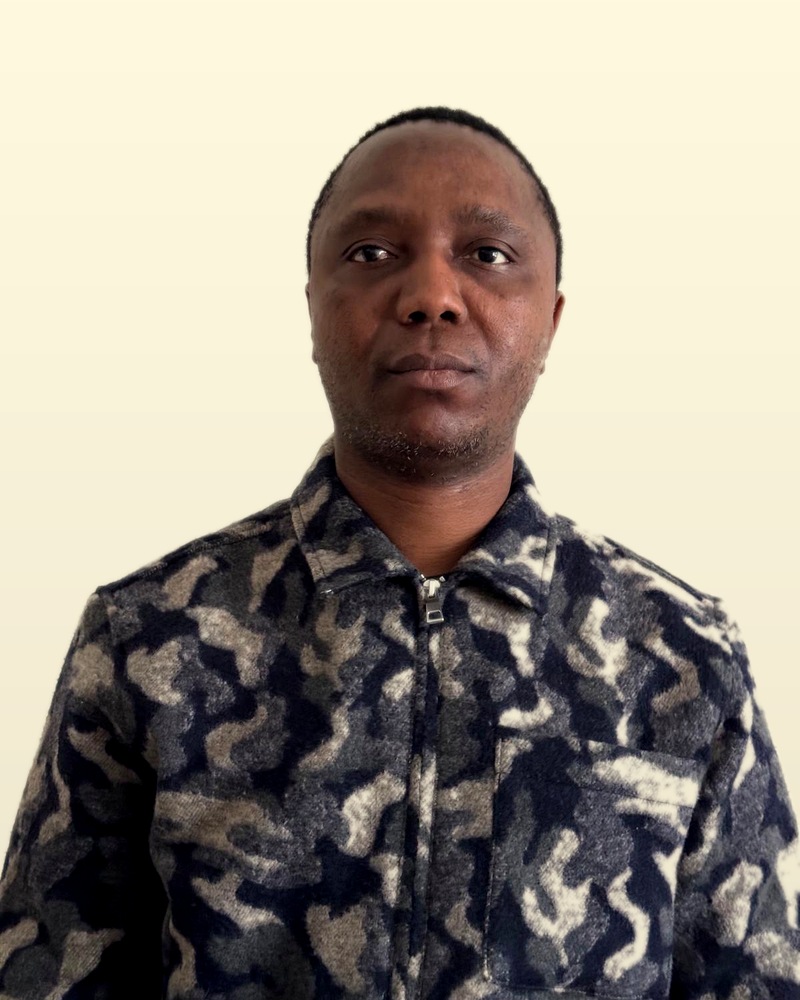
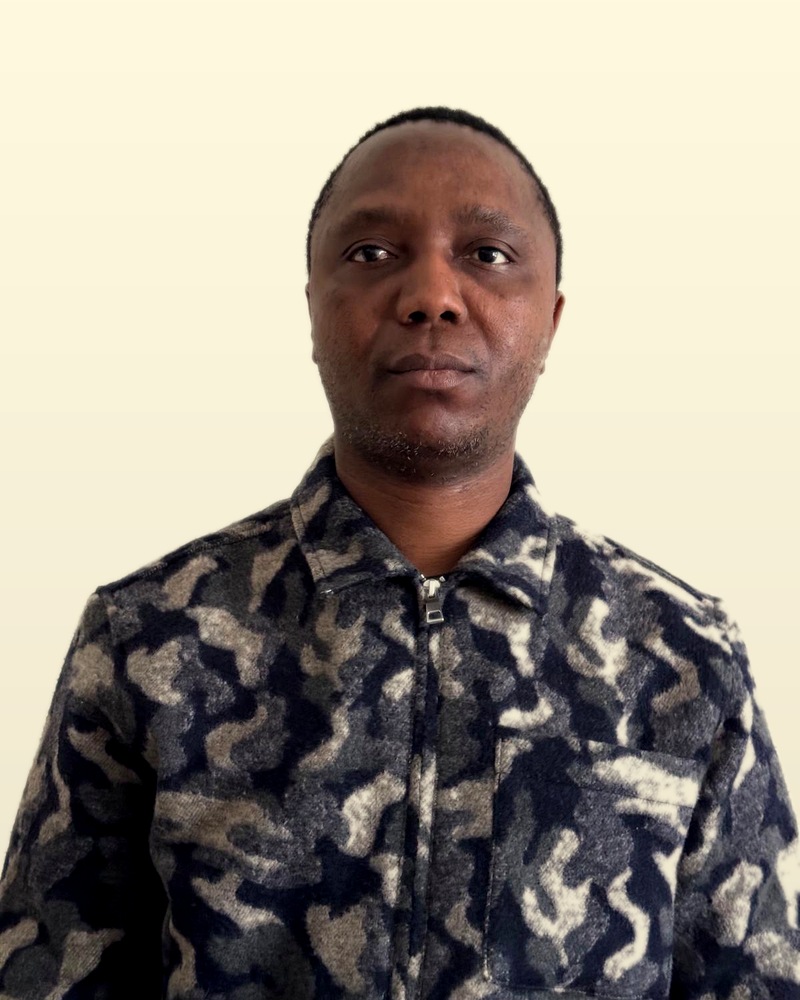
Samuel Awonorin brings the perspective of a practitioner who understands how software careers, teams, and organisations are shaped by architecture, communication, decision-making, and trust. His writing connects engineering discipline, leadership, remote work, and the systems that help people execute with clarity.
The site links to Samuel's public professional profiles while keeping the book and reader journey at the centre.